
By Raj H. Goswami | Infovision Media
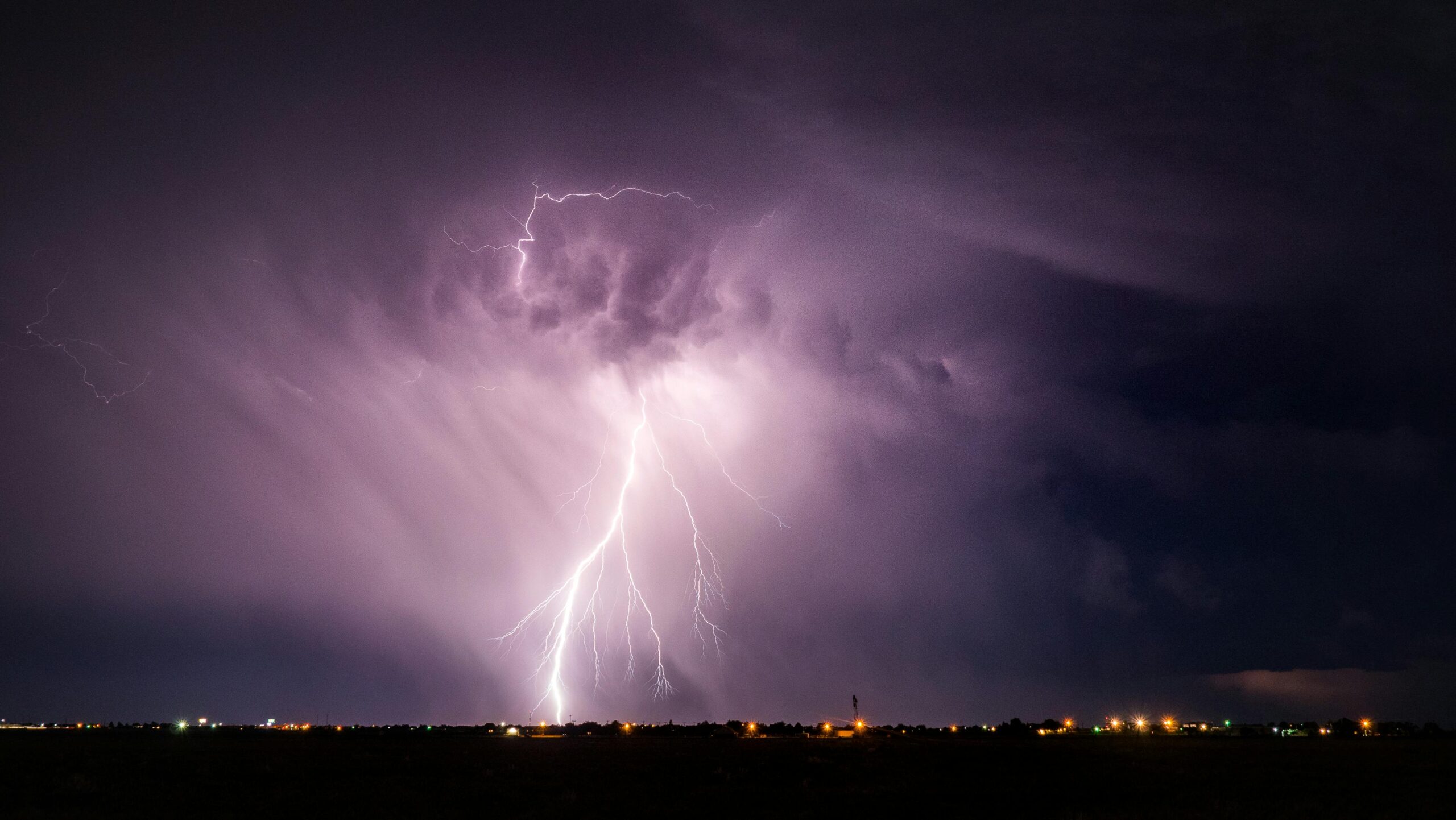
The headlines are no longer about distant threats; they are about the reality outside our windows. From unprecedented heatwaves in Europe to devastating floods in Southeast Asia and supercharged hurricanes in the Atlantic, extreme weather has become the new normal.
At Infovision Media, we’re breaking down the science, the impact, and what you actually need to know about the link between our changing climate and the volatile weather patterns of 2026.
The Science: Why is Weather Getting ‘Extreme’?
The core of the issue is simple physics: Thermodynamics. As the Earth’s atmosphere warms due to greenhouse gas emissions, it holds more moisture—about 7% more for every degree Celsius of warming.
- Fueling the Storms: More moisture in the air leads to heavier rainfall and more intense storms. What used to be “once-in-a-century” floods are now occurring every decade.
- The Jet Stream Shift: Climate change is weakening the jet stream (the river of air high in the atmosphere). This causes weather systems to “stall” over one area for longer periods, leading to prolonged droughts or non-stop rain.
Key Trends to Watch in 2026
- Heat Domes: Static high-pressure systems are trapping heat over urban areas, leading to record-breaking temperatures that threaten infrastructure and human health.
- Flash Droughts: Unlike traditional droughts that take months to develop, flash droughts happen in weeks, catching agriculture sectors off guard.
- Ocean Warming: Our oceans have absorbed 90% of the excess heat. This acts as high-octane fuel for tropical cyclones, allowing them to intensify from Category 1 to Category 5 in record time.
The Human & Economic Toll
Extreme weather isn’t just an environmental issue; it’s an economic one.
- Supply Chains: Floods and storms are frequently shutting down major shipping ports and destroying crops, leading to “climate inflation” at grocery stores.
- Migration: “Climate refugees” are becoming a reality as coastal erosion and desertification render formerly inhabited lands unlivable.
What Can We Do?
While the data seems grim, the window for adaptation is still open.
- Infrastructure Resiliency: Moving from “gray” infrastructure (concrete) to “green” infrastructure (wetlands and parks) to absorb floodwaters.
- Early Warning Systems: Investing in AI-driven meteorological tools to give communities more time to evacuate or prepare.
- Energy Transition: Rapidly shifting away from fossil fuels remains the only long-term “cure” for the underlying fever of the planet.
The Infovision Perspective
Climate change is the defining story of our generation. Understanding the connection between a warming planet and extreme weather is the first step toward building a resilient future.
Stay tuned to Infovision Media for our upcoming video deep-dive on “Urban Cooling: How Cities are Fighting the Heat.”
About The Author