
In a dramatic escalation of regional hostilities, residential areas in Dubai were struck by falling missile debris late Tuesday night, marking the first time the UAE’s commercial capital has sustained physical damage from the ongoing shadow conflict with Tehran. The incident occurred as the UAE’s integrated air defense system engaged an unspecified number of incoming ballistic missiles and loitering drones launched from Iranian territory.
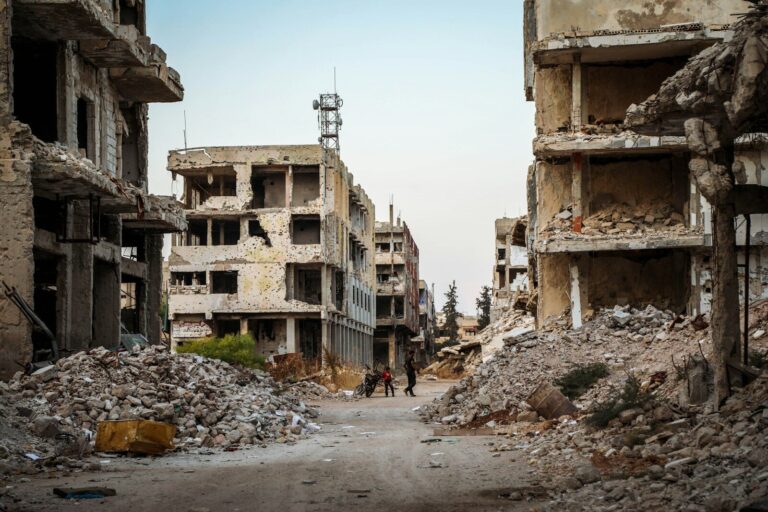
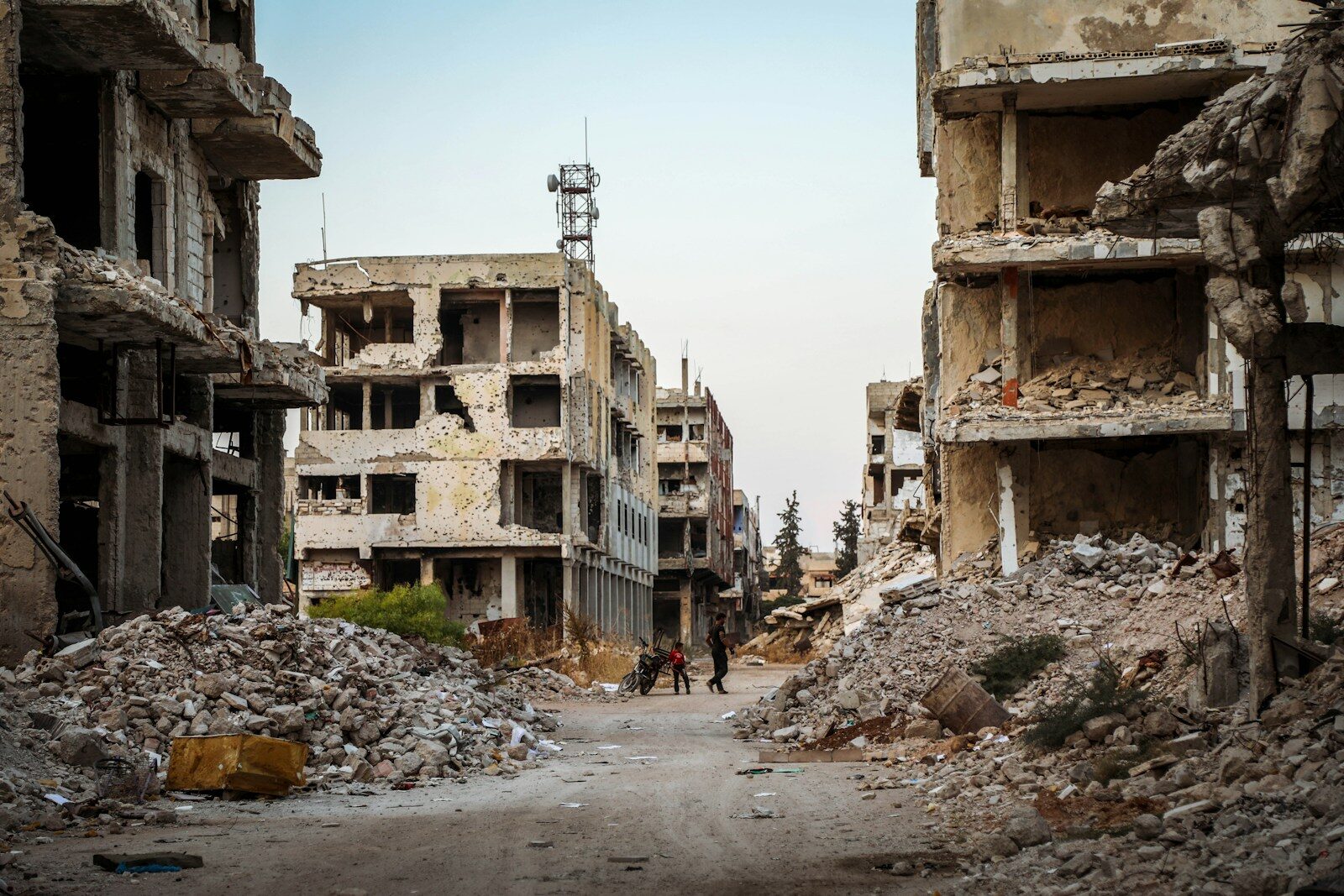
Witnesses in several neighborhoods reported hearing loud explosions overhead, followed by the sound of shrapnel impacting buildings and roadways. Emergency response teams were deployed to cordon off affected zones, confirming that while the majority of the projectiles were intercepted outside populated areas, falling debris caused structural damage to several private properties. There were no immediate reports of fatalities, though authorities later confirmed a small number of minor injuries.
A Defensive Network Under Pressure
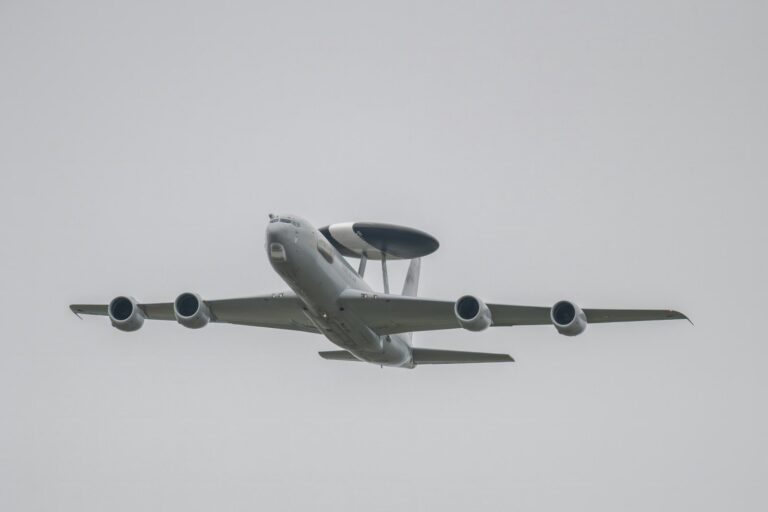
The attack placed the UAE’s sophisticated, multi-layered air defense architecture under the spotlight. Over the past decade, the Emirates has invested heavily in a network designed to counter precisely the kind of asymmetric aerial threats now emerging from Iran.
Military analysts suggest the system successfully neutralized the primary threats, preventing a direct hit on critical infrastructure or densely populated urban centers. However, the resulting debris field highlights a persistent vulnerability in modern warfare: even successful intercepts can pose a risk to civilian life when engagements occur in the lower atmosphere above residential zones.
This is not the first time the UAE has been targeted. Previous attacks during the height of regional tensions in 2019 and 2022 targeted oil facilities and airport infrastructure. What distinguishes this event is the geographical proximity to Dubai’s core urban sprawl, forcing a recalibration of how civilian safety is managed during high-altitude intercepts.
The Geopolitical Calculus
The timing of the barrage is viewed by regional experts as a calibrated message from Tehran. With tensions rising over the stalled Joint Comprehensive Plan of Action (JCPOA) negotiations and recent Israeli military movements in the region, Iran appears to be demonstrating its capability to strike deep into Gulf Cooperation Council (GCC) territories.
For the UAE, which has worked diligently in recent years to de-escalate tensions through diplomatic channels—including restoring ties with Iran in 2023—the attack represents a significant diplomatic affront. It underscores the fragility of detente when hardliners within the Iranian establishment and its network of regional proxies act independently of diplomatic overtures.
Security protocols across the Emirates were immediately elevated. Airspace management saw temporary closures to commercial traffic, a move that has become standard protocol during active military engagements to prevent the misidentification of civilian aircraft.
Civilian Infrastructure in the Crosshairs of Fragmentation
While the use of ballistic missiles and long-range drones is intended to inflict strategic damage, the secondary effects of fragmentation raise critical questions about urban warfare in the Gulf. In highly dense cities like Dubai, where population clusters and high-rise buildings define the landscape, the margin for error in defense systems is zero.
Urban planners and security consultants note that future defensive strategies may need to incorporate “over-watch” protocols—dedicating specific interceptor batteries to ensure that debris is neutralized over non-populated areas or open water. The incident has prompted local authorities to review building safety codes, particularly regarding reinforced glass and structural resilience against shockwaves.
Strategic Implications for Regional Security
This incident marks a potential turning point in the military balance of the Persian Gulf. The successful launch of a coordinated strike that reached the airspace of a major UAE city—regardless of interception—demonstrates a breach in the perception of absolute safety that has long been a cornerstone of the Gulf’s economic stability.
In response, the UAE is likely to accelerate requests for advanced terminal defense capabilities from its Western allies. Systems such as the Terminal High Altitude Area Defense (THAAD), already present in the country, will likely see expanded deployment footprints.
Furthermore, this event is expected to strengthen collective defense discussions within the GCC. There is growing consensus among member states that a coordinated, regional early-warning and intercept network is no longer a strategic luxury but an operational necessity.
Conclusion
As cleanup operations continue in the affected Dubai neighborhoods, the psychological impact of this incident will resonate far beyond the physical debris. For residents accustomed to the region’s stability, the sight of missile fragments in urban streets serves as a stark reminder of the volatility simmering just across the Gulf.
While the UAE’s air defense forces demonstrated technical proficiency in preventing a direct catastrophe, the incident has opened a new chapter in the conflict—one where the home front is no longer a sanctuary, but a potential theater of war. In the coming days, all eyes will be on Abu Dhabi and Tehran to see whether this event sparks a broader military response or serves as a catalyst for renewed, albeit tense, diplomatic containment.
About The Author