

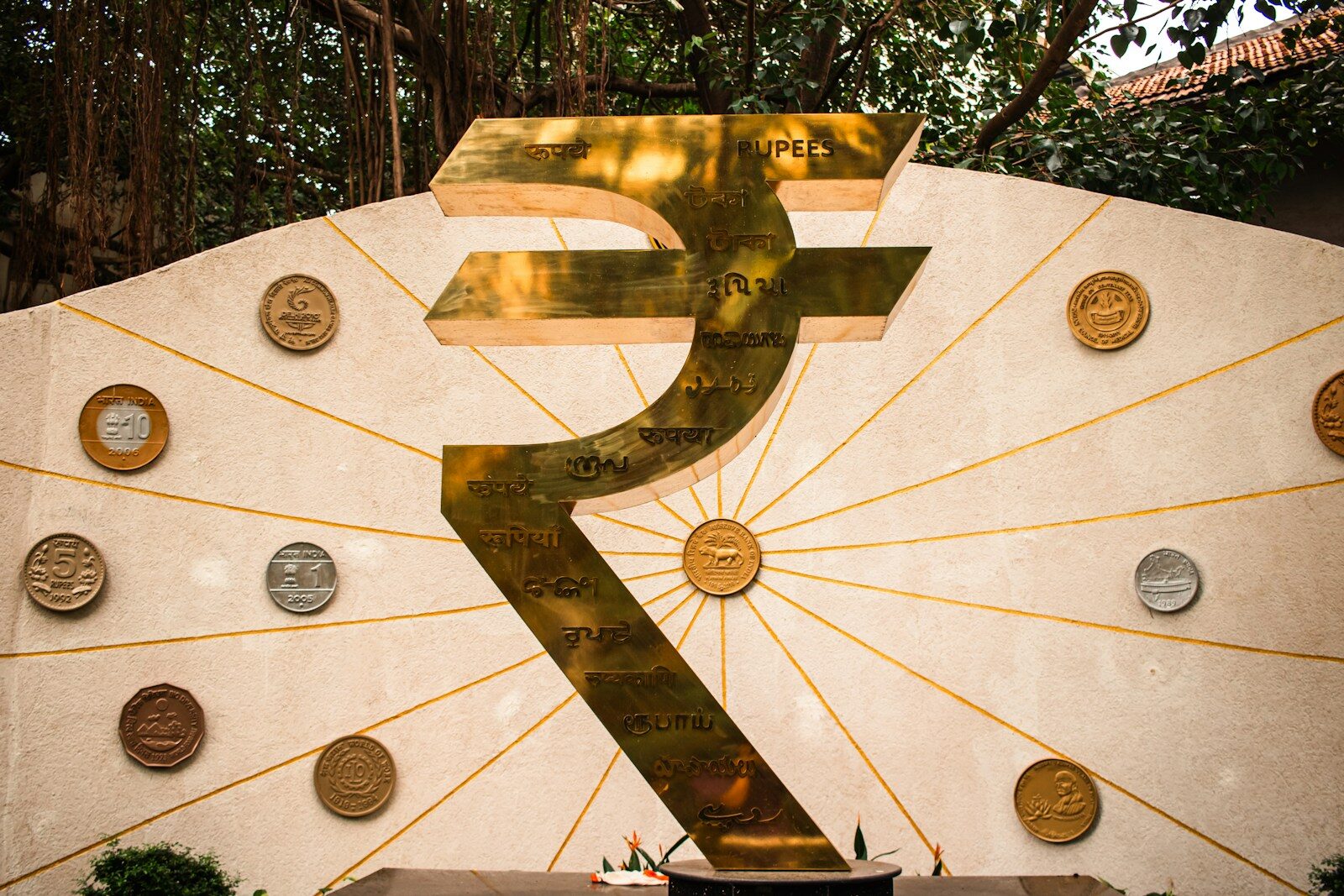
The Indian rupee’s relentless slide against the US dollar has breached a significant psychological barrier, trading at INR 95 per USD in recent sessions. This marks a historic low for the domestic currency, driven by a potent mix of global macroeconomic headwinds, sustained foreign portfolio investor (FPI) outflows, and a surging dollar index.
For the average citizen, a depreciating rupee is far more than a headline in the business section. It acts as a silent tax, slowly eroding purchasing power and altering the landscape of personal financial planning. As the currency navigates these turbulent waters, financial advisors are urging a recalibration of household budgets and investment strategies. Here is a deep dive into the six specific ways this currency slump impacts your personal finances, featuring insights from industry experts.
1. The Inflation Tax: Imported Goods and Fuel Costs
The most immediate and visible impact of a weak rupee is imported inflation. India is a net importer, relying heavily on foreign crude oil, electronics, components, and edible oils. When the rupee falls, the landed cost of these goods rises.
“Every 1% depreciation in the rupee typically adds approximately 10 to 12 basis points to the wholesale price index,” explains Arjun Khanna, a Delhi-based financial analyst. “While the government may subsidize fuel to an extent, the trickle-down effect is unavoidable. Consumers are already feeling the pinch in everything from smartphone prices to the cost of a restaurant meal, as logistics and packaging costs rise.”
Households will need to brace for higher monthly outlays on transportation and daily essentials, effectively reducing discretionary spending capacity.
2. The NRI Windfall: Remittances and Investment Inflows
Conversely, the rupee’s fall is a windfall for Non-Resident Indians (NRIs) sending money back home. For an NRI earning in US dollars, euros, or pounds, the conversion power has increased dramatically.
“For an Indian-American earning $100,000, the effective rupee income has seen a notional jump of nearly 10% over the last year without any change in their actual salary,” notes Sonia Mehta, a cross-border wealth management advisor. “We are seeing a significant uptick in NRIs looking to invest in Indian real estate and mutual funds, capitalizing on the currency arbitrage.”
This influx of remittances can provide a cushion to the Indian economy, but for resident Indians, it often translates to increased competition in high-end real estate markets, driving up property prices in metropolitan hubs.
3. The Education Abroad Dilemma
For families who have pinned their hopes on foreign education for their children, the rupee hitting 95 is a financial body blow. The cost of studying in the US, UK, or other dollar-pegged nations has escalated steeply.
Tuition fees, which are often denominated in dollars, now cost significantly more in rupee terms. Living expenses, rent, and even textbooks become heavier burdens.
Financial planners suggest that parents currently funding overseas education may need to explore education loans in India that offer disbursements in foreign currency, rather than liquidating rupee savings at the current depressed rate. “Hedging currency risk through systematic transfer plans (STPs) or forward contracts should have been initiated a year ago,” adds Khanna. “For those paying now, it is a matter of recalibrating budgets or exploring more affordable university options in non-dollar denominated countries.”
4. Volatility in Equity and Debt Markets
Foreign Institutional Investors (FIIs) tend to flee markets with depreciating currencies to avoid the double whammy of falling stock prices and currency erosion. The recent rupee weakness has accelerated FII outflows, putting pressure on Indian equities.
While the long-term story of Indian markets remains robust, short-term volatility is expected to spike. Deepak Parekh, a certified financial planner based in Mumbai, advises against panic selling. “If you are an equity investor with a horizon beyond five years, this is not a signal to exit. However, it is a signal to check your asset allocation,” he says.
He warns that debt mutual funds with significant exposure to dollar-denominated bonds or foreign assets may see a temporary NAV bump, but this is not a reason to chase returns. Conversely, investors looking at international diversification are finding it prohibitively expensive to buy US stocks or ETFs due to the weak rupee.
5. The Gold Paradox
Gold, traditionally viewed as a hedge against economic uncertainty and a weakening rupee, presents a paradoxical situation. Since India imports the vast majority of its gold, a weaker rupee makes gold more expensive domestically.
While the international price of gold (in dollars) may remain stable or dip, the landed cost in India rises. This creates a psychological barrier for buyers. For investors holding existing gold, the rupee depreciation acts as a natural price support, protecting their portfolio’s value in local currency terms.
However, experts caution against viewing physical gold purely as a short-term investment during currency crises. “Jewelry carries high making charges and liquidity issues,” Parekh notes. “If you are looking to hedge against the rupee’s fall, Sovereign Gold Bonds (SGBs) or gold ETFs offer a more efficient and transparent route without the import cost inefficiencies baked into physical gold prices.”
6. The Impact on Savings and Debt Management
In a high-inflation environment triggered by currency devaluation, traditional savings instruments like fixed deposits (FDs) often struggle to deliver real returns. If inflation is hovering near 6% and your fixed deposit yields 7%, the real return is a mere 1%.
Moreover, for those with foreign currency liabilities—such as a home loan taken from an external commercial borrowing (ECB) structure or a personal loan in dollars—the rupee fall is catastrophic, increasing the principal liability in rupee terms.
On the domestic front, the Reserve Bank of India (RBI) is likely to maintain a tight monetary policy stance to defend the rupee, meaning interest rates may stay elevated. For prospective home loan borrowers, this translates to higher equated monthly installments (EMIs) and a stricter assessment of repayment capacity.
The Way Forward: Expert Strategies
As the rupee navigates this challenging corridor, experts emphasize discipline over fear.
“Do not try to time the currency market,” advises Sonia Mehta. “For the average household, focus on what you can control: increase your emergency fund to cover at least 9–12 months of expenses to buffer against inflation volatility, and diversify your portfolio to include assets that benefit from inflation, such as quality equities or REITs.”
Arjun Khanna concludes that the current scenario underscores the importance of geographical diversification. “While the rupee may continue to face pressure, Indian investors should consider allocating a small portion of their portfolio (5–10%) to US equities or global funds. Even if the rupee continues to fall, that allocation acts as a natural hedge.”
As the INR 95 mark forces a reset in financial priorities, the key takeaway is clear: awareness and proactive planning are the only shields against the silent erosion of currency depreciation.
About the Author
This analysis was prepared by the editorial team at InfoVision Media. The views expressed by experts are their own and do not constitute financial advice. Readers are advised to consult with a certified financial planner before making investment decisions.
About The Author