
NEW DELHI, India – March 22, 2026 – India’s Central Board of Film Certification has denied approval for the theatrical release of The Voice of Hind Rajab, an Oscar-nominated docudrama documenting the tragic story of a five-year-old Palestinian girl killed in Gaza, dealing a blow to the film’s distributors and sparking debate over artistic freedom and foreign policy priorities.
The documentary, which had garnered international acclaim and recognition from the Academy of Motion Picture Arts and Sciences, was scheduled for release across Indian cinemas this month. However, certification authorities rejected the application following a review that concluded the film’s content could potentially strain India’s diplomatic relations with Israel.
According to sources familiar with the certification process, the board determined that releasing the film during a period of heightened regional tensions could be interpreted as a political statement contrary to India’s longstanding position of maintaining balanced ties with both Israel and Palestine.
A Film Born from Tragedy
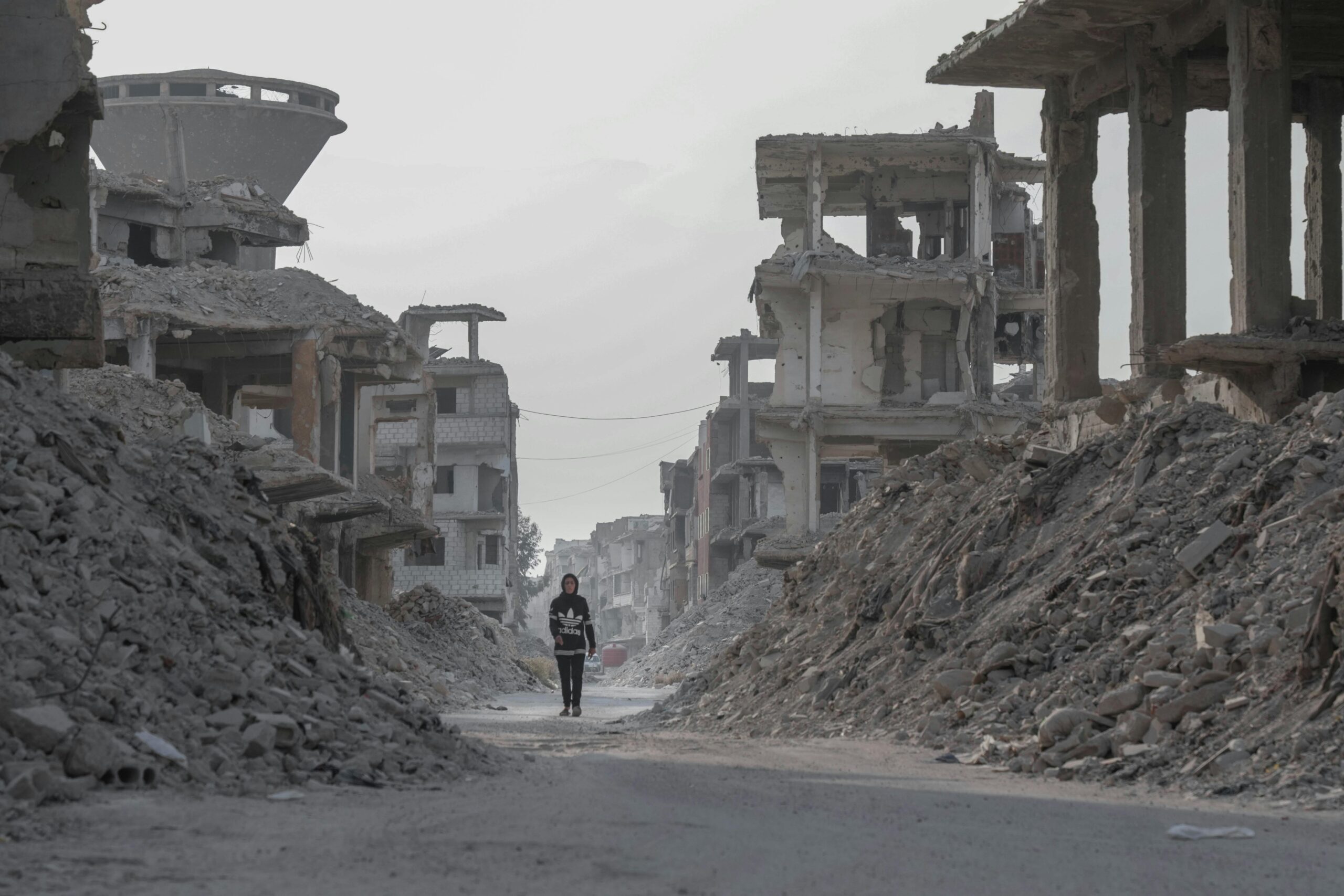
The Voice of Hind Rajab tells the harrowing story of a young Palestinian girl who became a symbol of civilian suffering during the conflict in Gaza. The docudrama, which combines documentary footage with dramatic reenactments, traces the final hours of the child’s life and the broader impact of violence on families caught in the crossfire.
The film received widespread critical praise following its festival circuit run and secured a nomination for Best Documentary Feature at the Academy Awards, bringing international attention to the project. Filmmakers had hoped the Indian release would introduce the powerful narrative to South Asian audiences who have followed the Gaza conflict closely.
Government’s Stated Position
Officials from the Ministry of Information and Broadcasting emphasized that the decision was made in consideration of India’s foreign policy interests rather than censorship of artistic expression. India has maintained diplomatic relations with Israel since 1992 while continuing to support Palestinian statehood, a delicate balancing act that successive governments have navigated carefully.
“The certification board operates within a framework that considers the broader implications of content being distributed in Indian theaters,” a senior official told reporters, speaking on condition of anonymity. “There are times when artistic works intersect with diplomatic sensitivities, and in such cases, the board must exercise its judgment accordingly.”
Film Community Reacts
The decision has drawn sharp criticism from Indian filmmakers, artists, and free speech advocates who argue that the government is overstepping its bounds by blocking a critically acclaimed work of art.
“This sets a troubling precedent,” a prominent film director said in a social media post following news of the rejection. “If an Oscar-nominated documentary about a child’s suffering cannot be screened in India because it might upset a foreign government, then what does that say about our commitment to artistic freedom?”
Distributors who had invested in acquiring rights for the Indian release expressed disappointment, noting that the film had already been screened in dozens of countries without incident. Some suggested they would explore alternative distribution channels, though the certification board’s ruling effectively bars theatrical release.
Diplomatic Context
India’s relationship with Israel has deepened significantly over the past decade, with defense cooperation, technology partnerships, and trade ties flourishing. The government has also maintained traditional support for Palestinian aspirations, though recent diplomatic statements have emphasized a more balanced approach to the conflict.
The decision to block the film comes amid heightened tensions across the Middle East following recent military exchanges between Israel and Iran, with regional stability concerns weighing heavily on diplomatic calculations in New Delhi.
Broader Implications
Cultural observers noted that the rejection of The Voice of Hind Rajab follows a pattern of increasing scrutiny over content related to the Israel-Palestine conflict in Indian media and entertainment spaces. Several news outlets and social media platforms have faced government pressure over coverage deemed potentially inflammatory.
Whether the film’s distributors will appeal the certification board’s decision or seek alternative release strategies remains unclear. For now, Indian audiences eager to see the acclaimed documentary will have to look to international streaming platforms or festival screenings outside the country.
The filmmakers have not yet issued a formal statement regarding the Indian rejection, though sources close to the production indicated they were “disheartened” that the film would not reach Indian audiences as intended.
About The Author