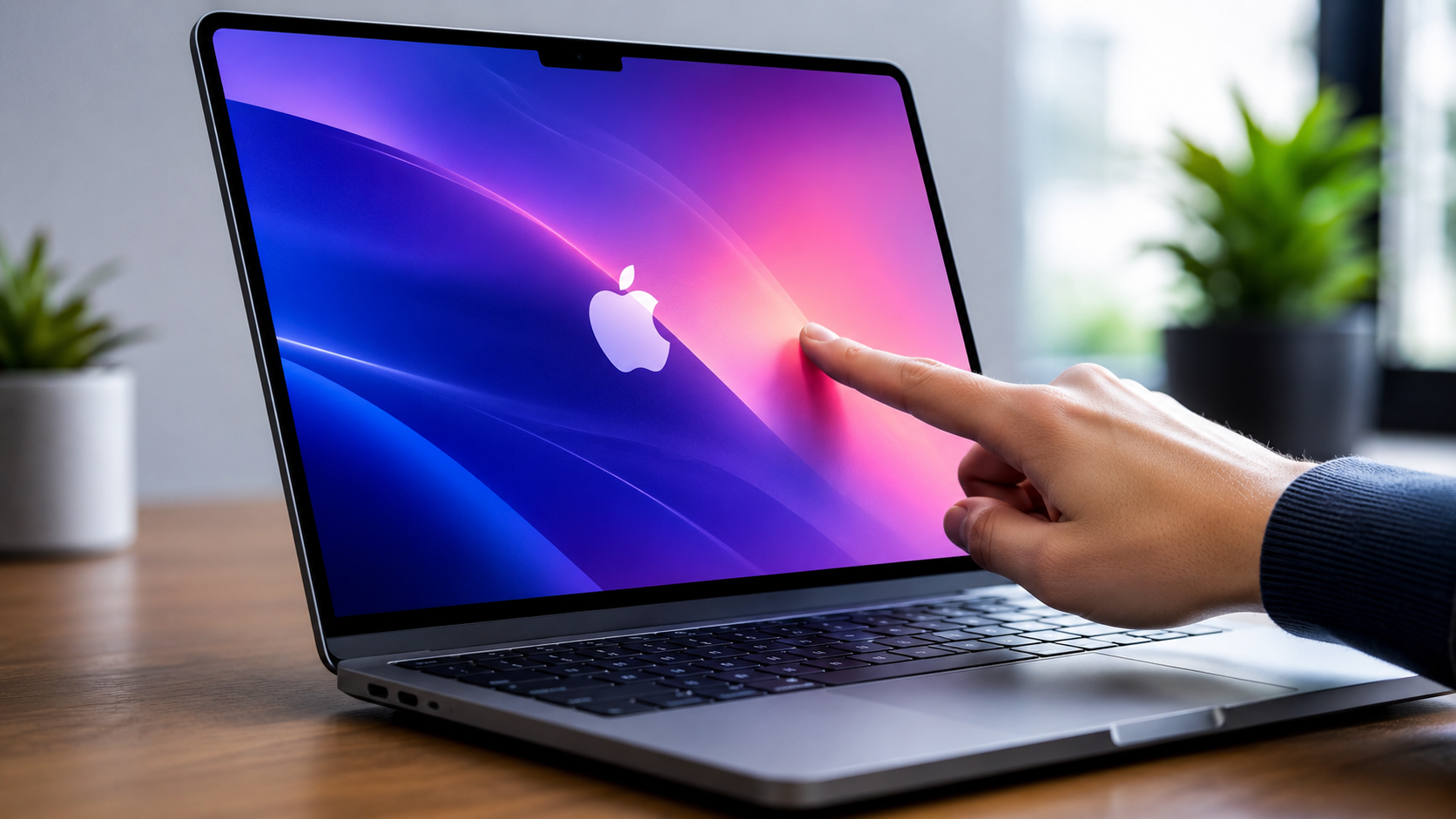
Apple Reportedly Working on a Touchscreen MacBook
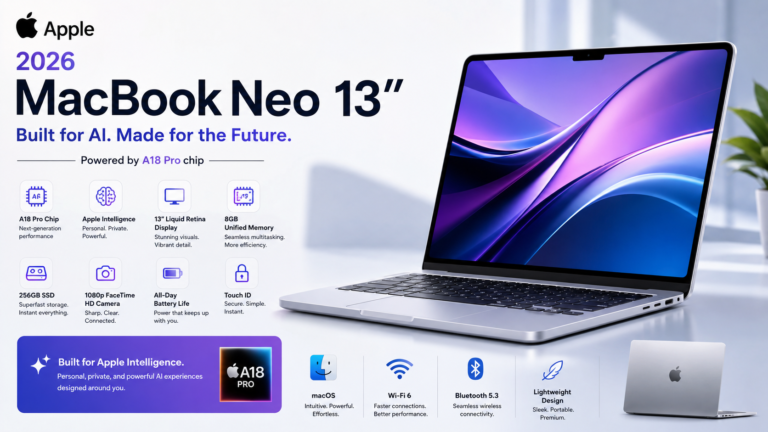
Apple could be preparing one of the biggest changes in MacBook history. According to recent reports, the tech giant is exploring the possibility of launching a MacBook equipped with a touchscreen display, a feature that users have requested for years.
If the reports prove accurate, the upcoming device could bridge the gap between traditional laptops and tablets, offering a more versatile computing experience. The move would mark a significant departure from Apple’s long-standing stance that touchscreen functionality is better suited for iPads rather than Mac computers.
A New Era for MacBook Users
For more than a decade, Apple executives have maintained that macOS was designed primarily for keyboard and trackpad input. While competitors such as Microsoft, Lenovo, HP, and Dell have embraced touchscreen laptops, Apple has continued to keep touch functionality exclusive to its iPad lineup.
However, changing consumer preferences and advancements in display technology may be encouraging Apple to reconsider its approach. A touchscreen MacBook could provide users with greater flexibility for productivity, creativity, education, and entertainment.
Industry analysts believe that Apple may integrate touch controls while preserving the traditional MacBook experience that users value.
Combining the Best of MacBook and iPad
One of the most exciting aspects of a touchscreen MacBook is the potential combination of laptop and tablet-like capabilities in a single device.
Possible benefits include:
- Direct touch interaction with apps and documents.
- Easier navigation through websites and media content.
- Enhanced support for creative workflows.
- Improved accessibility features.
- More intuitive multitasking and note-taking experiences.
Such a device could appeal to students, professionals, designers, and content creators who frequently switch between laptops and tablets.
Potential Design and Technology Upgrades
While Apple has not officially confirmed the development of a touchscreen MacBook, reports suggest the company may introduce several hardware and software enhancements alongside the new display technology.
Potential features could include:
- OLED touchscreen display.
- Improved battery efficiency.
- Enhanced Apple Silicon performance.
- Better integration between macOS and iPadOS features.
- Advanced gesture controls and touch-based navigation.
An OLED panel would provide richer colors, deeper blacks, and improved energy efficiency compared to traditional LCD displays.
Challenges Apple May Need to Address
Introducing a touchscreen MacBook would not be without challenges. Apple would need to optimize macOS for touch interactions while maintaining the precision and efficiency that desktop users expect.
The company would also need to carefully position the product to avoid overlap with its iPad Pro lineup, which already offers laptop-like functionality when paired with a keyboard and trackpad.
Balancing these product categories could be one of Apple’s biggest strategic challenges.
Industry Impact
A touchscreen MacBook could significantly influence the laptop market. Apple’s adoption of touchscreen technology may encourage further innovation among competitors and accelerate the trend toward hybrid computing devices.
Technology experts believe that if Apple successfully integrates touchscreen functionality into macOS, it could set a new benchmark for premium laptops.
Official Confirmation Still Awaited
At present, Apple has not officially announced a touchscreen MacBook. The reports remain speculative, and consumers should wait for confirmation from the company before expecting a launch date.
Nevertheless, the possibility of a touchscreen MacBook has generated considerable excitement among Apple enthusiasts worldwide. If introduced, the device could redefine how users interact with Mac computers and further blur the line between laptops and tablets.
As the technology industry continues to evolve, Apple’s next-generation MacBook could represent a major step toward a more flexible and interactive computing experience.